Opis
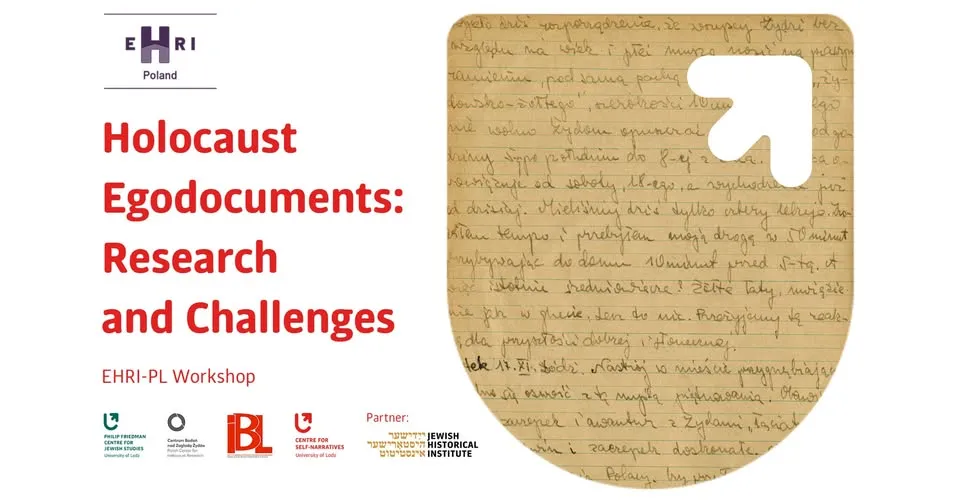
Personal documents were identified as a distinct research category over 70 years ago by the Dutch historian and Holocaust survivor Jacques Presser. As a researcher documenting the fate of Dutch Jews during the war, he encountered the stories of both survivors and perpetrators. In his pioneering research on the wartime experiences of Jews in the Netherlands, published in the monumental work Ondergang (Ashes in the Wind), he relied heavily on personal accounts, recognizing a unique testimony to the human dimension of the tragedy. Even then, he drew attention to the immense value of such sources, which were often dismissed by researchers as too subjective and literary compared to traditional official documentation. The term quickly garnered interest among researchers and gradually entered the mainstream of scholarship, including the history of the Holocaust. Contemporary research on egodocuments in the context of the Holocaust and World War II is undergoing dynamic development, part of a broader "biographical turn" and interest in history from below. Egodocuments allow us to understand how individuals constructed their identities in relation to a world engulfed in crisis and how they coped with the trauma of wartime experiences. The event is organized by the Philip Friedman Centre for Jewish Studies at the University of Łódź in collaboration with the Polish Center for Holocaust Research, The Institute of Literary Research of the Polish Academy of Sciences in Warsaw, and the Center for Self-Narratives at the University of Łódź; the event's partner is the Emanuel Ringelblum Jewish Historical Institute in Warsaw. The workshop is organized within the framework of EHRI-PL and co-funded with resources from the Ministry of Culture and National Heritage for the task 'Ongoing Activities of the Polish National Node of EHRI-PL - the EHRI-ERIC consortium, implemented by the Emanuel Ringelblum Jewish Historical Institute [JHI] for the years 2025-2027 in cooperation with national partners.'
Personal documents were identified as a distinct research category over 70 years ago by the Dutch historian and Holocaust survivor Jacques Presser. As a researcher documenting the fate of Dutch Jews during the war, he encountered the stories of both survivors and perpetrators. In his pioneering research on the wartime experiences of Jews in the Netherlands, published in the monumental work Ondergang (Ashes in the Wind), he relied heavily on personal accounts, recognizing a unique testimony to the human dimension of the tragedy. Even then, he drew attention to the immense value of such sources, which were often dismissed by researchers as too subjective and literary compared to traditional official documentation. The term quickly garnered interest among researchers and gradually entered the mainstream of scholarship, including the history of the Holocaust. Contemporary research on egodocuments in the context of the Holocaust and World War II is undergoing dynamic development, part of a...
Terminy
10 Października 2026, Sobota
22:00 - 21:59
Organizator
C
Centrum istnieje od 2005 r. przy Instytucie Historii na Wydziale Filozoficzno-Historycznym Uniwersytetu Łódzkiego. Prowadzimy działalność naukową, dydaktyczną i popularyzatorską przybliżając dzieje polskich Żydów.